
Hanoi, the capital of Vietnam, is an exciting destination for shopping, offering everything from traditional handicrafts and handmade silk to aromatic Vietnamese coffee, local snacks, and beautifully crafted ceramics. Whether you are exploring the Old Quarter, visiting a traditional market, or browsing small independent boutiques, you will find plenty of unique products that reflect the city’s culture, history, and everyday life.
Shopping in Hanoi is also an opportunity to discover Vietnamese craftsmanship and regional specialties. Many items make excellent souvenirs for friends and family, while others are practical purchases you can enjoy long after your trip.
If you are wondering what to buy in Hanoi, here are 15 of the best things to look for, along with tips on where to shop and how to choose authentic products.
1. Vietnamese Silk

Vietnamese silk is one of the most popular souvenirs to buy in Hanoi. Known for its smooth texture, lightweight feel, and elegant appearance, silk is used to make scarves, ties, dresses, shirts, and decorative accessories.
Silk products come in a wide variety of colors and patterns, from traditional designs inspired by Vietnamese culture to modern styles suitable for everyday wear. A silk scarf is an especially convenient souvenir because it is lightweight, easy to pack, and suitable for almost any traveler.
For a broader selection of silk products, consider visiting Hang Gai Street, also known as Silk Street, near Hoan Kiem Lake. The street has long been associated with silk shops, tailor services, and clothing boutiques.
Shopping tip: Ask about the fabric composition before buying. Some products are made from pure silk, while others contain polyester or blended fibers. Compare the texture, stitching, and price between shops, and request a receipt for expensive purchases.
2. Vietnamese Coffee
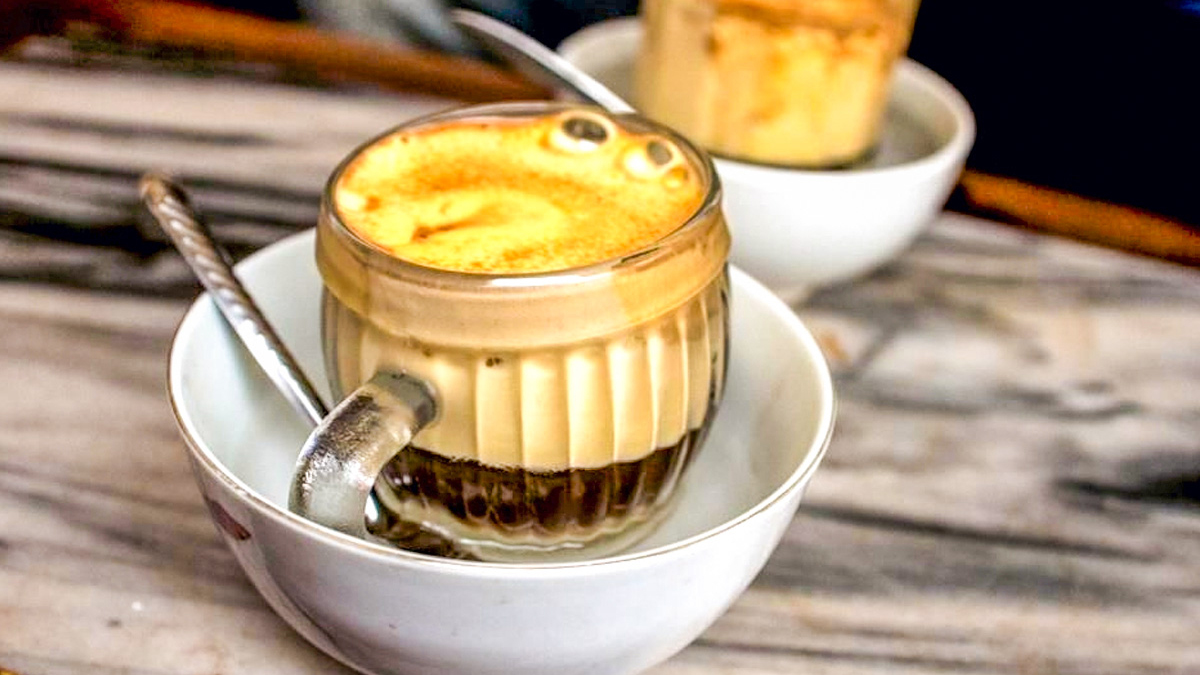
Vietnam is one of the world’s major coffee-producing countries, and coffee is an excellent gift to bring home from Hanoi. Vietnamese coffee is often associated with a bold, rich flavor and is traditionally prepared using a small metal drip filter called a phin.
Popular choices include robusta coffee, arabica coffee, roasted bean blends, and pre-ground coffee. You can also find specialty coffee from Vietnamese growing regions such as Da Lat and the Central Highlands.
For a complete Vietnamese coffee experience, buy a bag of ground coffee together with a stainless-steel phin filter. At home, you can prepare traditional Vietnamese coffee with hot water and enjoy it black or with sweetened condensed milk.
Egg coffee, a famous Hanoi specialty, is another local experience worth trying during your visit. Although it is best enjoyed fresh at a café, packaged coffee blends can make a convenient reminder of the city’s coffee culture.
Shopping tip: Check the roast date, ingredients, and packaging. If you prefer pure coffee, look for products without added flavorings or other ingredients.
3. Vietnamese Tea
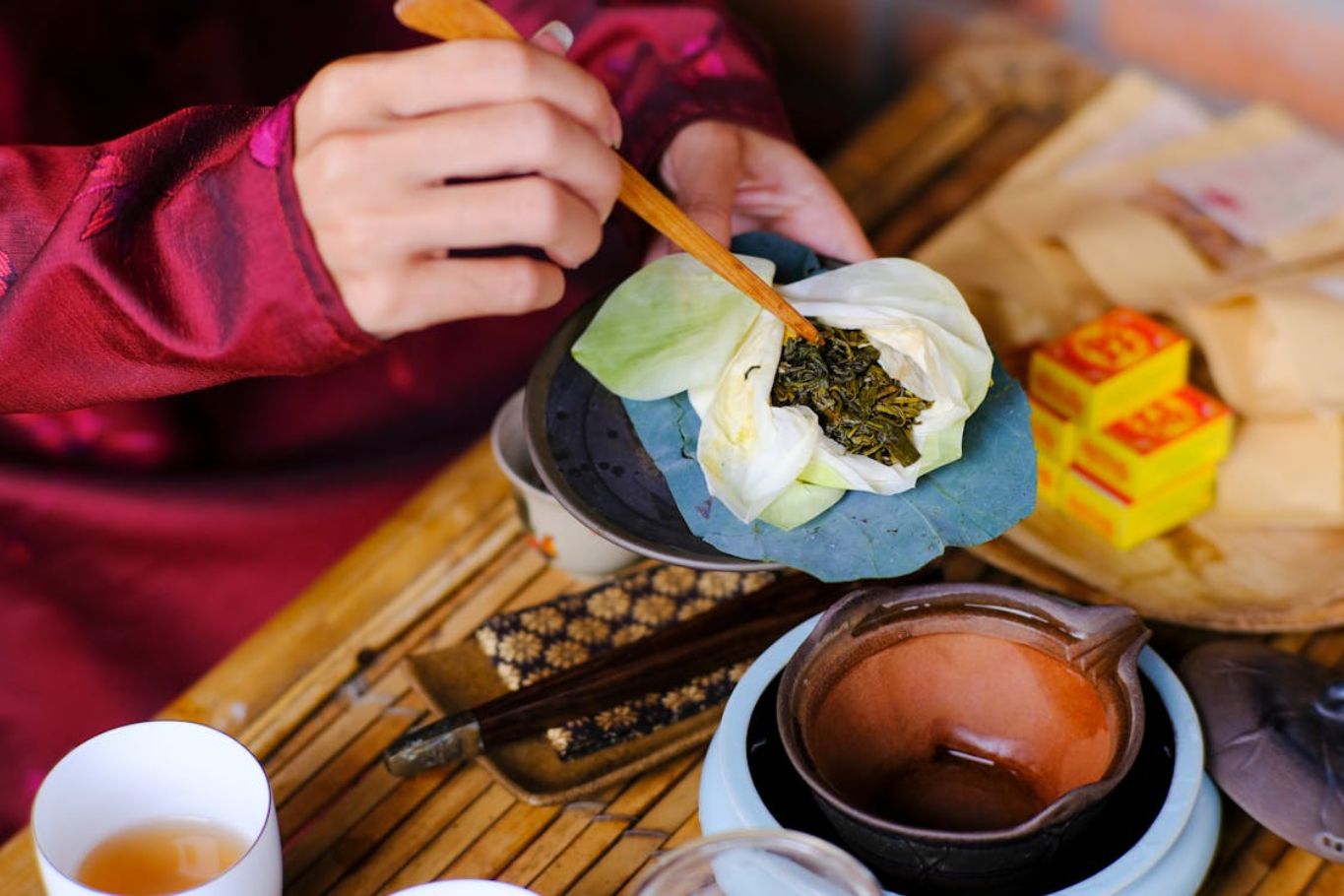
Tea has an important place in Vietnamese daily life and hospitality. It is commonly served to guests, enjoyed after meals, and shared during family gatherings.
Green tea is one of the most widely available varieties, with a fresh, slightly grassy taste. Other options include lotus tea, jasmine tea, and teas scented with flowers. Lotus tea is particularly appealing as a gift because of its delicate aroma and association with traditional Vietnamese tea culture.
Packaged tea is available in supermarkets, specialty tea shops, and traditional markets throughout Hanoi. Attractive gift boxes are useful if you are buying presents for colleagues, friends, or family members.
Shopping tip: Buy tea from a reputable seller and check the ingredients and production date. Choose airtight packaging to help preserve the aroma during your journey.
4. Vietnamese Silk and Cotton Clothing
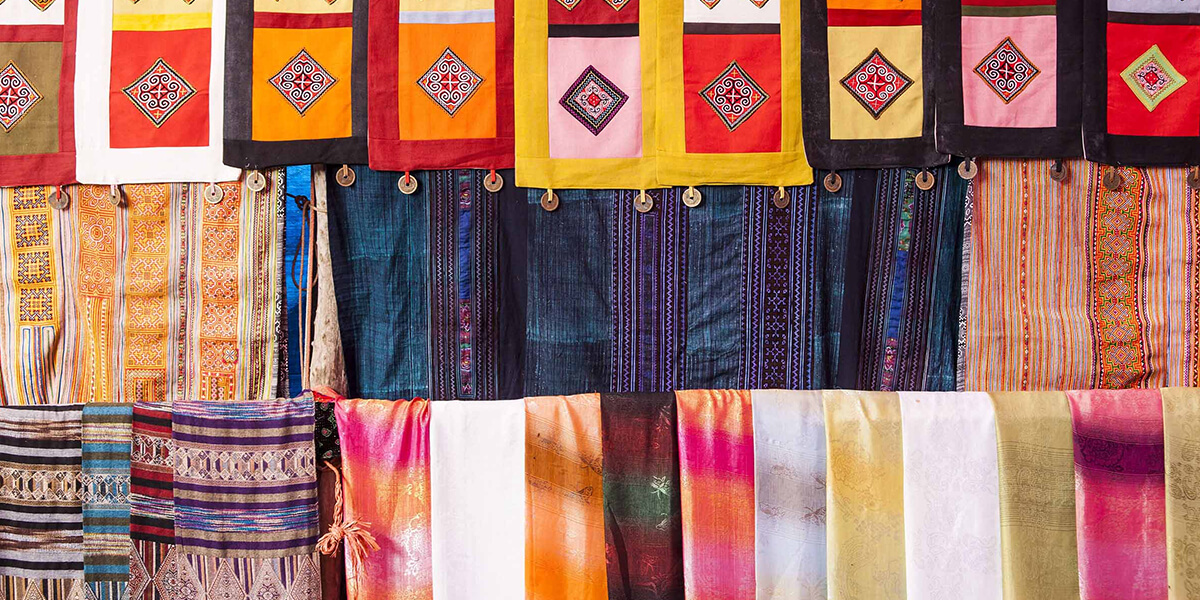
Beyond silk scarves, Hanoi offers a wide range of clothing that combines Vietnamese design with contemporary fashion. You can find linen shirts, cotton dresses, embroidered tops, casual trousers, and lightweight garments suited to Vietnam’s warm climate.
The Old Quarter contains numerous clothing shops, while independent boutiques around the city offer more modern designs. Some shops also provide tailoring services, allowing visitors to order garments made to their measurements.
A lightweight linen shirt or cotton dress can be a practical purchase as well as a souvenir. Traditional patterns, embroidered details, and locally inspired prints make certain pieces especially distinctive.
Shopping tip: Check the fabric, seams, sizing, and care instructions before buying. If you order custom clothing, confirm the price, fitting schedule, and delivery time in advance.
5. Vietnamese Lacquerware
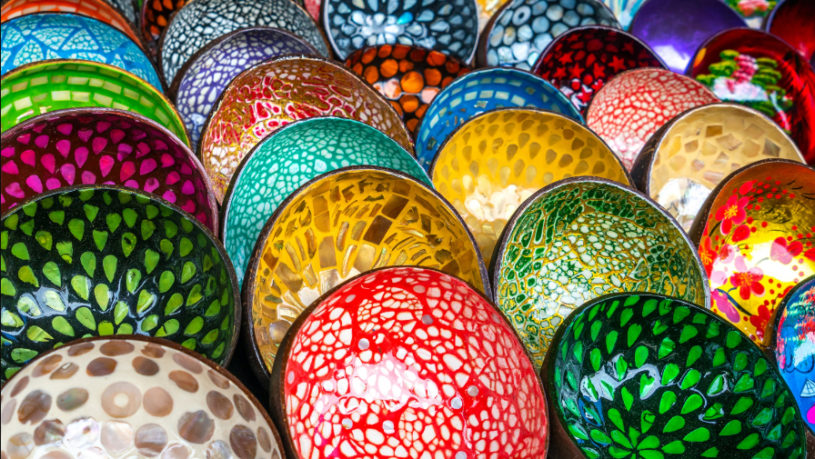
Lacquerware is a traditional Vietnamese craft made by applying layers of lacquer to a surface, often wood or another suitable material. Finished products may feature polished surfaces, decorative inlays, hand-painted scenes, or intricate patterns.
Common items include trays, bowls, jewelry boxes, coasters, decorative plates, and small storage containers. Many designs draw inspiration from Vietnamese landscapes, flowers, architecture, and traditional motifs.
Lacquerware is an attractive choice for travelers looking for a decorative souvenir that can also be used at home. A small jewelry box or set of coasters is generally easier to transport than a large serving tray or decorative panel.
Shopping tip: Inspect the finish carefully for uneven surfaces, cracks, and loose decorative elements. Ask whether an item is intended for food contact before using it to serve food.
6. Bat Trang Ceramics and Pottery
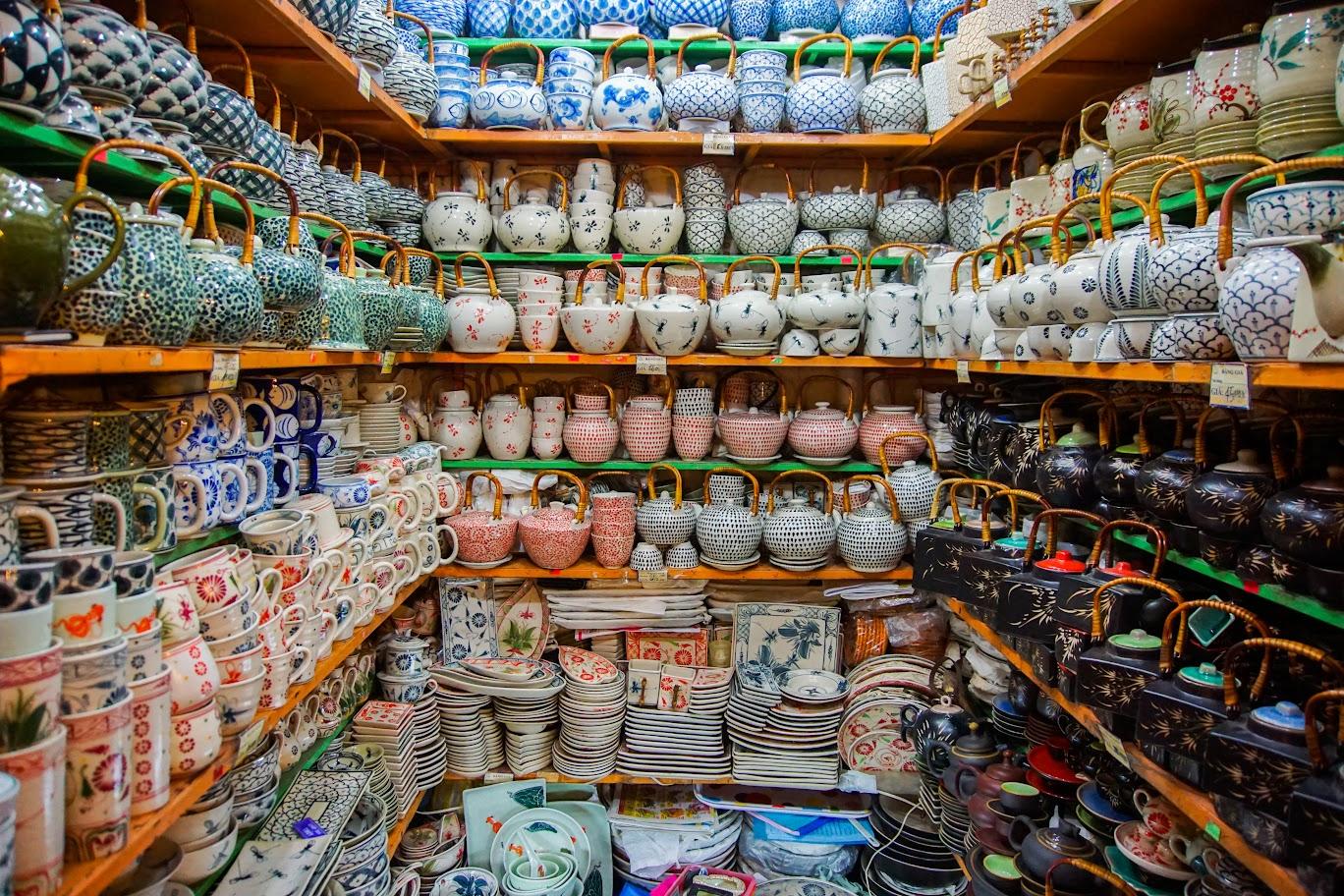
Bat Trang is a historic pottery village located near Hanoi, famous for its ceramic production. Its products range from everyday bowls and cups to decorative vases, tea sets, and intricately painted pieces.
You can find Bat Trang ceramics in Hanoi’s gift shops and markets, or visit the village to explore workshops and pottery stores. Depending on the shop and activity, visitors may also have opportunities to learn about ceramic production or try making pottery.
Ceramics are especially suitable for people who appreciate handmade homeware. A small tea cup, decorative bowl, or ceramic ornament can provide a lasting reminder of Vietnamese craftsmanship.
Shopping tip: Check for chips, cracks, uneven glazing, and packaging quality. If you are flying home, ask the seller to wrap the item securely and confirm whether it is suitable for food use and microwave or dishwasher use.
7. Vietnamese Embroidery

Hand embroidery is another traditional craft worth exploring in Hanoi. Embroidered products may feature flowers, birds, landscapes, geometric motifs, or scenes inspired by Vietnamese daily life.
Popular purchases include tablecloths, cushion covers, handkerchiefs, decorative pictures, bags, and small framed artworks. These items are often lightweight and easy to pack, making them convenient gifts.
Embroidery can also be found on clothing and accessories, offering a subtle way to incorporate Vietnamese-inspired designs into everyday life.
Shopping tip: Examine the stitching on the front and back of the product. Ask whether the item is hand-embroidered or machine-made, particularly when the seller describes it as handmade.
8. Vietnamese Áo Dài

The áo dài is Vietnam’s iconic traditional outfit, recognized for its long tunic, high collar, fitted shape, and side slits worn over trousers. It is commonly associated with celebrations, formal occasions, cultural events, and school uniforms.
Buying an áo dài in Hanoi can be a memorable experience, especially if you choose a fabric and design that suit your personal style. Shops may sell ready-made outfits or offer custom tailoring.
Travelers can select traditional silk, modern printed fabrics, or simpler materials suitable for regular wear. Matching trousers and accessories may also be available.
Shopping tip: Allow enough time for measurements, fittings, and adjustments if you choose a custom-made outfit. Before paying, confirm the final price, fabric, number of fittings, and collection date.
9. Vietnamese Conical Hats (Nón Lá)
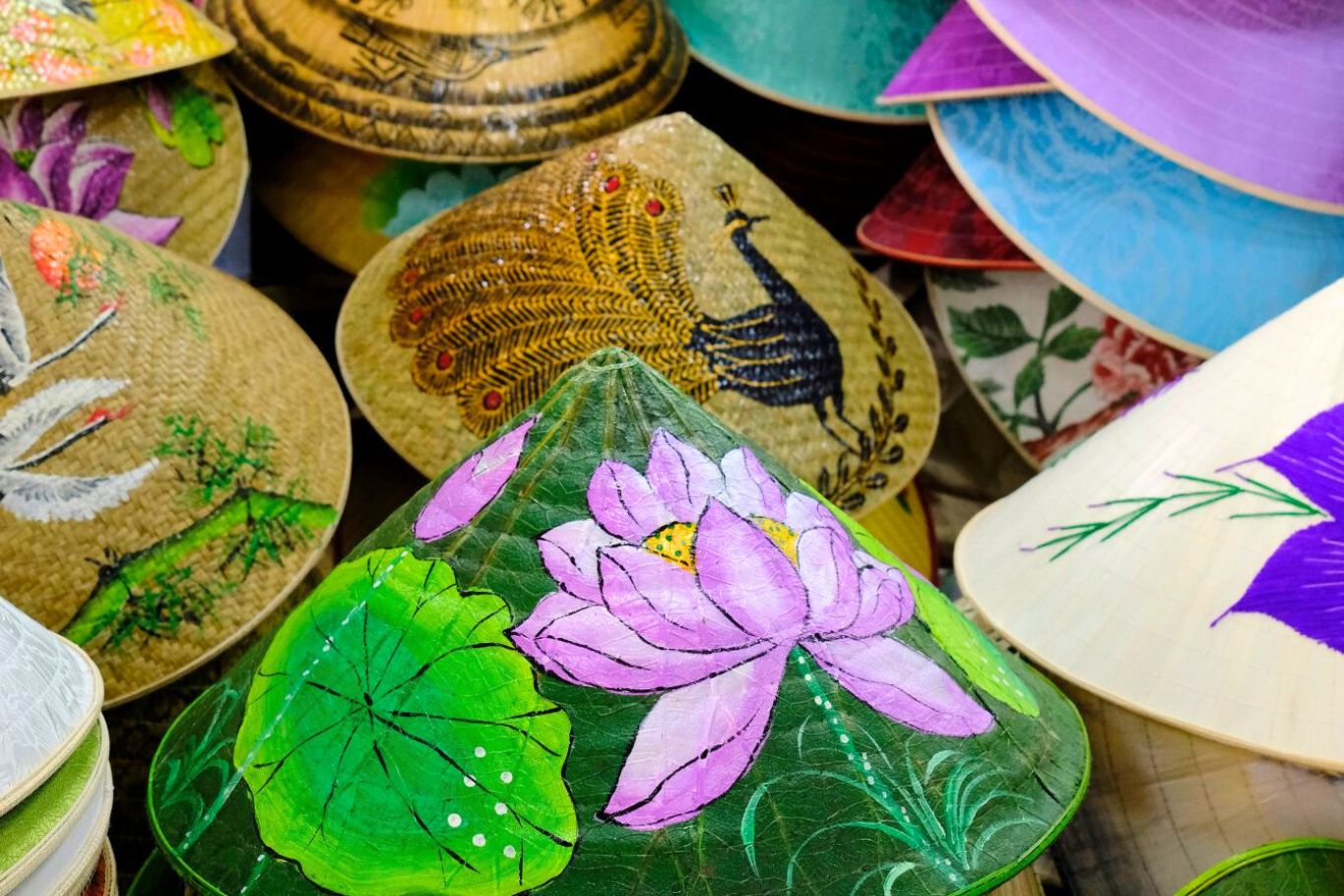
The nón lá, or Vietnamese conical hat, is one of the country’s most recognizable traditional items. Traditionally made using a lightweight frame and natural leaves, it is associated with rural life, farming, and protection from the sun.
Conical hats are sold in souvenir shops, traditional markets, and craft stores around Hanoi. Some feature simple natural finishes, while others have decorative details or painted designs.
A nón lá makes a distinctly Vietnamese souvenir and can be used as a decorative item at home. However, its wide shape can make it awkward to pack in a suitcase.
Shopping tip: Check that the hat is securely constructed and that the leaves are not torn or excessively brittle. Ask about protective packaging if you plan to transport it by air.
10. Vietnamese Handicrafts and Bamboo Products
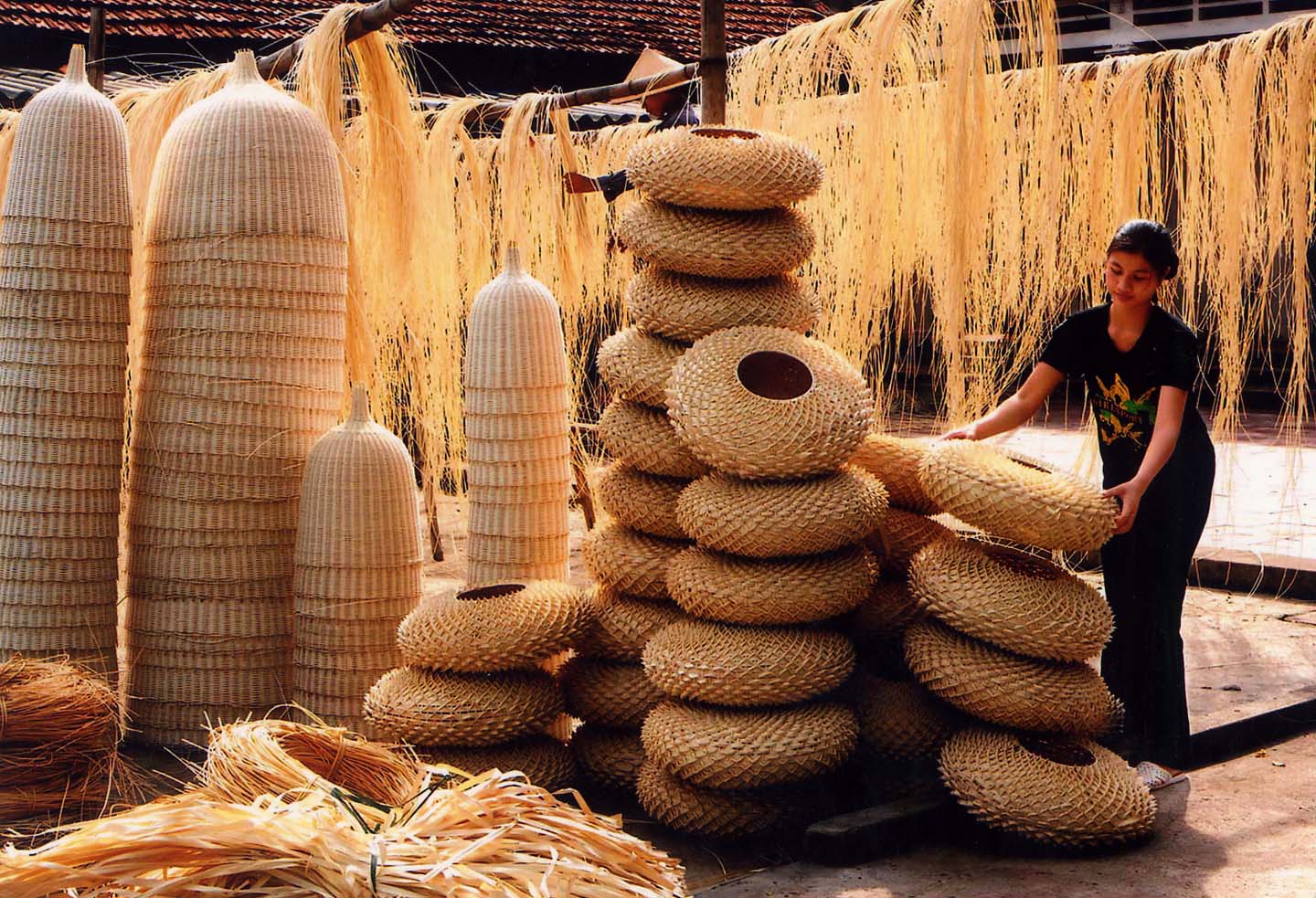
Vietnamese artisans produce a wide range of handicrafts using bamboo, rattan, wood, fabric, and other materials. In Hanoi, you may find woven baskets, small storage boxes, placemats, decorative fans, handmade toys, and household accessories.
These products are appealing because they combine practical use with traditional design. Small bamboo or rattan items can be particularly good souvenirs for travelers who prefer natural materials and simple decorative styles.
Many handicrafts are relatively affordable, although prices depend on the material, construction, size, and amount of handwork involved.
Shopping tip: Inspect woven products for loose strands, sharp edges, and signs of damage. Choose compact items that can fit easily into your luggage, and keep natural materials dry during travel.
11. Vietnamese Silver Jewelry
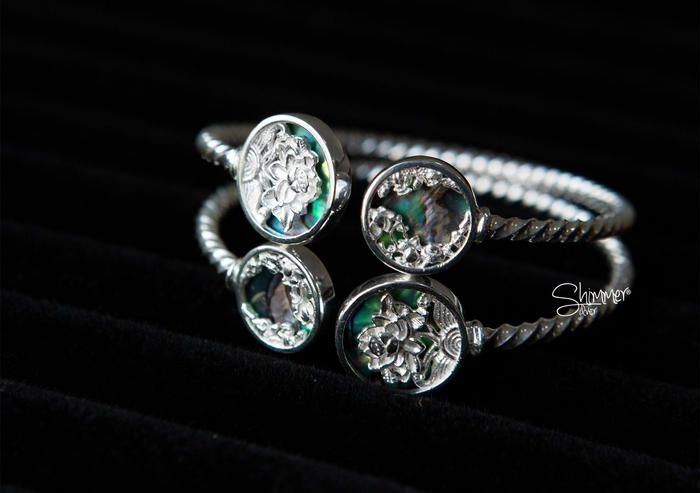
If you are looking for a small but meaningful gift, Vietnamese silver jewelry is worth considering. Hanoi has a long history of metalworking, and some shops continue to sell jewelry inspired by traditional Vietnamese designs.
Popular items include silver rings, earrings, bracelets, pendants, and necklaces. You can choose minimalist contemporary pieces or designs featuring flowers, animals, and cultural motifs.
Hang Bac Street in the Old Quarter is a well-known destination for silver and jewelry shopping. It is a convenient place to compare different styles and browse specialist shops.
Shopping tip: Ask about the silver content, such as whether a piece is sterling silver, and check for appropriate markings where applicable. Request a receipt and any available product information when purchasing expensive jewelry.
12. O Mai and Vietnamese Dried Fruits

Food souvenirs are among the easiest ways to share a taste of Hanoi with friends and family. One local specialty to look for is ô mai, a traditional preserved-fruit snack made from fruits such as apricots, plums, kumquats, and ginger.
Depending on the variety, ô mai can taste sweet, sour, salty, spicy, or a combination of these flavors. It is often sold in small packages or decorative boxes, making it a popular gift.
Other options include dried mango, dried jackfruit, candied coconut, and preserved plums. These snacks are convenient for travelers because they are generally lighter and easier to transport than fresh produce.
Hang Duong Street, sometimes associated with Hanoi’s traditional sweets and preserved fruits, is a useful area to explore.
Shopping tip: Check the ingredients, expiry date, and packaging. Choose sealed products from reputable shops, and check the food-import rules of your destination before traveling home.
13. Vietnamese Propaganda Posters and Art Prints
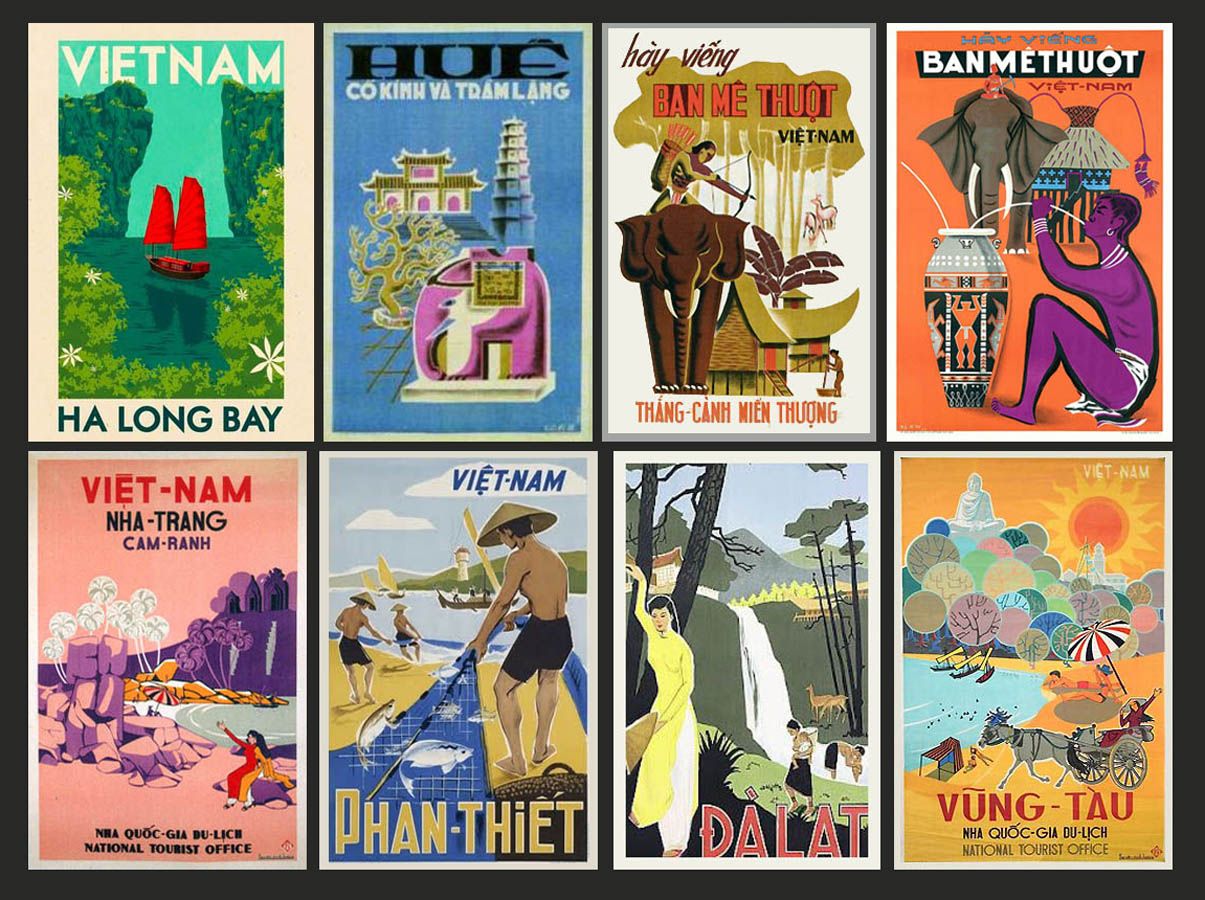
Colorful prints inspired by Vietnamese history, travel, and everyday life make distinctive souvenirs from Hanoi. Vintage-style propaganda posters are particularly popular for their bold colors, graphic lettering, and retro aesthetic.
You can also find illustrations of Hanoi’s Old Quarter, traditional architecture, street vendors, bicycles, and famous Vietnamese landmarks. These prints make attractive decorations for a home office or living room.
Look for reproductions and contemporary artwork from established sellers rather than assuming that an old-looking poster is an original historical piece.
Shopping tip: Ask whether the artwork is an original, a reproduction, or a contemporary design. Flat prints are generally easier to transport than framed artwork, and a protective tube or sturdy folder can prevent creases during your journey.
14. Vietnamese Lanterns and Decorative Gifts
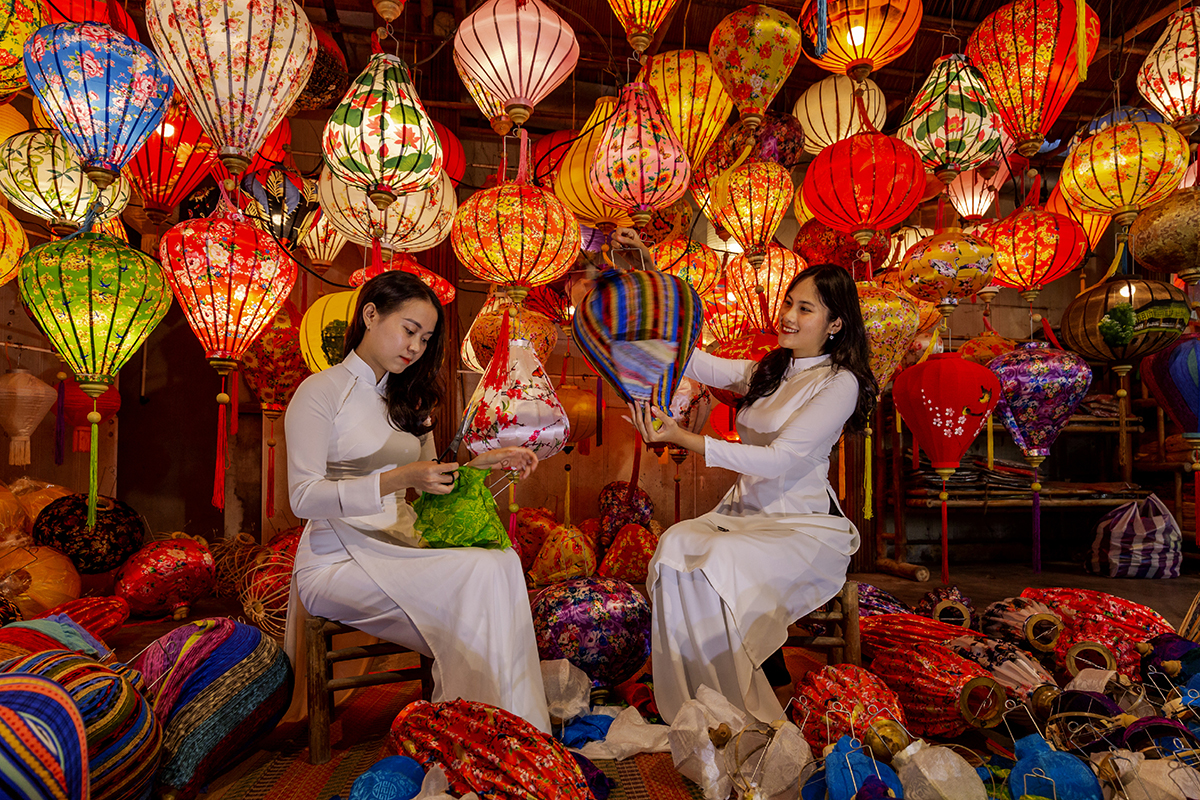
Traditional lanterns and festive decorations add color to Hanoi’s shopping streets, especially around major celebrations such as Tet, the Vietnamese Lunar New Year, and the Mid-Autumn Festival.
You may find fabric lanterns, paper decorations, small ornaments, painted fans, and other decorative objects inspired by Vietnamese traditions. Many are suitable for gifts or home decoration.
Hang Ma Street is particularly well known for festive decorations and colorful displays. Even if you are not planning to buy anything, browsing the shops can be an enjoyable part of exploring the Old Quarter.
Shopping tip: Choose compact, lightweight decorations if you are traveling by air. For lanterns with electrical components, check the power requirements and whether the product is compatible with your home country’s electrical system.
15. Vietnamese Books and Stationery
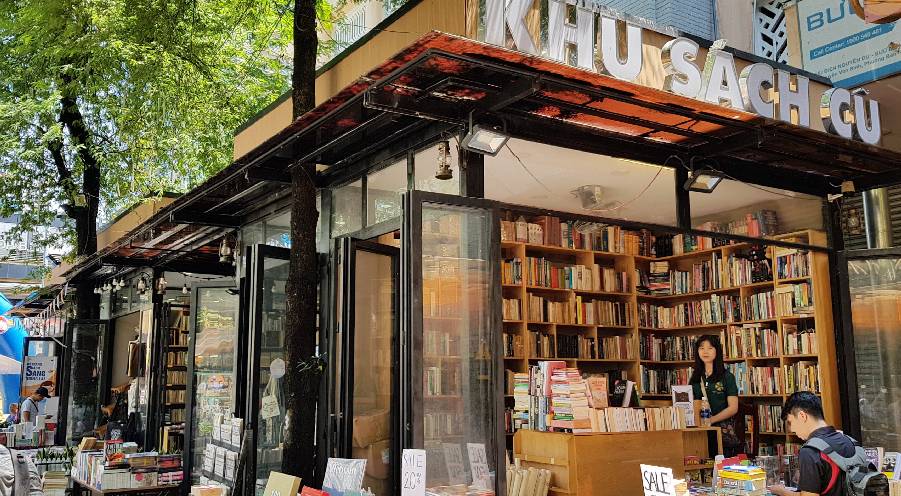
Books and stationery are excellent souvenirs for travelers who want something practical, educational, or culturally meaningful.
Look for illustrated books about Vietnamese history, architecture, food, and culture, as well as Vietnamese-language novels, notebooks, postcards, bookmarks, and art prints. Children’s picture books can also make thoughtful gifts.
Hanoi Book Street is a pleasant place to browse bookstores and discover publications related to Vietnamese literature and culture. Depending on the shop, you may find Vietnamese-language editions, foreign-language books, and locally designed stationery.
Shopping tip: Check the language and edition before buying. If you are purchasing books as gifts, illustrated publications about Vietnamese culture or Hanoi’s historic landmarks are often accessible even to readers who do not speak Vietnamese.
Where to Shop in Hanoi
Knowing where to shop can help you save time and discover better products. These are some useful areas to include in your itinerary.
- Hanoi Old Quarter: Best for souvenirs, coffee, tea, clothing, handicrafts, and small gift shops.
- Hang Gai Street: A popular destination for silk products, scarves, textiles, and tailoring services.
- Hang Bac Street: Worth exploring for silver jewelry and specialist jewelry shops.
- Dong Xuan Market: A large traditional market offering a broad selection of goods, including clothing, household products, accessories, and packaged items.
- Hang Ma Street: Particularly interesting for lanterns, paper goods, and festive decorations.
- Bat Trang Ceramic Village: A worthwhile excursion for visitors interested in pottery, ceramic workshops, and locally produced tableware.
You can explore several Old Quarter shopping streets on foot in a single outing. If you want to visit Bat Trang, allow additional time for the journey and for browsing the village’s workshops and stores.
Shopping Tips for Visitors to Hanoi
A little preparation can make shopping in Hanoi more enjoyable and help you avoid unnecessary expenses.
1. Compare prices before buying. Similar products may have different prices depending on the shop, material, craftsmanship, and location. Visit a few stores before making an expensive purchase.
2. Bargain politely at traditional markets. Negotiation may be possible at markets and some independent souvenir stalls. Start with a reasonable offer and keep the conversation friendly. Fixed-price boutiques, supermarkets, and shopping malls generally do not expect bargaining.
3. Check product quality. Examine stitching on clothing, glazing on ceramics, finishes on lacquerware, and packaging on food products. Ask questions if a seller describes something as handmade, pure silk, or sterling silver.
4. Carry Vietnamese dong. Cash is useful at traditional markets and smaller shops, although some businesses accept cards or electronic payments. Confirm the final price and payment method before completing your purchase.
5. Think about luggage space. Coffee, tea, scarves, small handicrafts, and packaged snacks are easy to pack. Large ceramics, framed artwork, and conical hats may require extra space or protective packaging.
6. Check customs restrictions. Before bringing food, plant-based products, or other souvenirs into another country, check its current import rules. Restrictions vary, and some products may need to be declared.
7. Keep receipts for valuable purchases. Receipts are useful if you need to exchange an item, verify what you bought, or provide information about a purchase when traveling.
Final Thoughts
The best things to buy in Hanoi are those that reflect the city’s culture, traditional craftsmanship, and distinctive food traditions. Vietnamese coffee and tea are excellent choices for food lovers, while silk, lacquerware, embroidery, and silver jewelry appeal to visitors looking for something more personal.
For practical souvenirs, consider small ceramics, notebooks, art prints, and preserved-fruit snacks. If you have more time, visiting Bat Trang Ceramic Village or exploring the Old Quarter’s specialist streets can make shopping an experience in its own right.
Whether you are buying a few inexpensive gifts or investing in a beautifully made piece of Vietnamese craftwork, take time to compare products and learn about their origins. The most memorable souvenir is not necessarily the most expensive one, but the item that reminds you of your journey through Hanoi.
Leave a Reply